
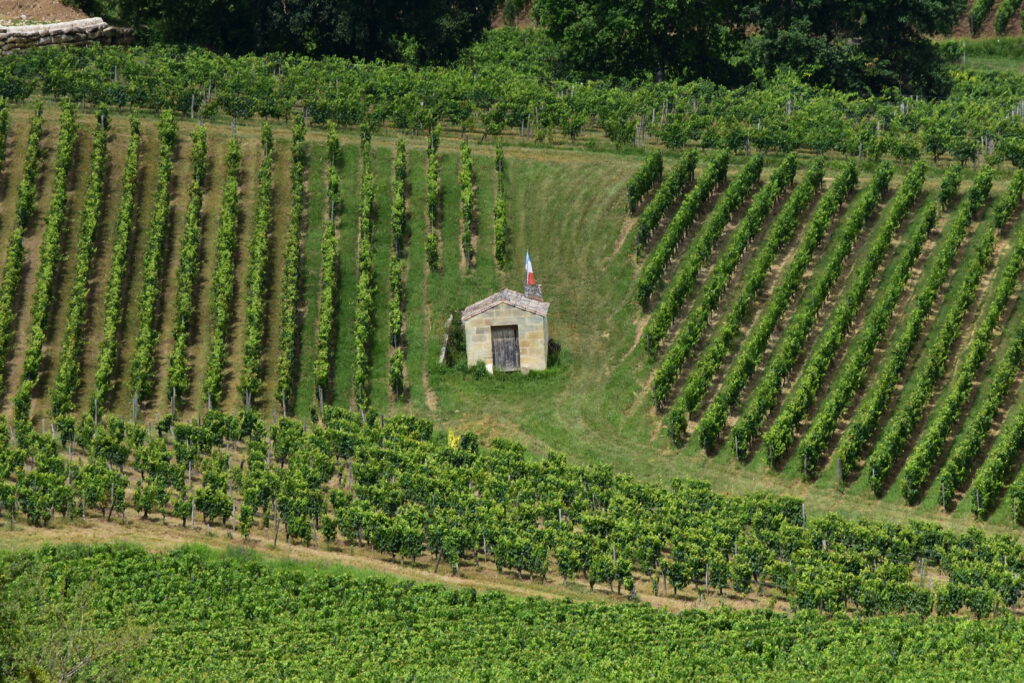
Nestled in the heart of Bordeaux’s wine country, St. Émilion (Saint-Émilion) is a medieval village. St. Émilion has become a bustling tourist destination due to its proximity to Bordeaux and great wineries. With its cobblestone streets, limestone architecture, and centuries-old vineyards stretching as far as the eye can see, this is the perfect picturesque one day trip for wine lovers. Fair warning, if you take a 15 minute train ride from Bordeaux and rent bikes, there is a pretty imposing hill that will greet you at the train station. Make sure to engage a lift from the train station into town.
I did not know this when we went, but St. Émilion is a UNESCO World Heritage site, as well as the home to some of the world’s most prestigious wineries. The wineries in St. Émilion produce exceptional Merlot and Cabernet Franc-dominated blends. What are those you ask? Make some reservations and find out! What I found was a cute village perched on top of a giant hill, with some nice shopping and a couple of really great restaurants.
If You Also Like the Tour de France …
One other item of note, if you are also a fan of the the Tour de France. The Tour de France has passed through St. Émilion several times throughout its history. In fact, St. Émilion has been featured in the Tour de France primarily as a time trial stage location.
St. Émilion is a popular choice for time trials in the Tour because of its beautiful scenery, which showcases the picturesque vineyards and medieval architecture to a global television audience. The undulating terrain also provides an interesting technical challenge for cyclists. The hill from the train station is in fact called cardiac hill by the locals. I was not happy to see it when I arrived, I can tell you that!
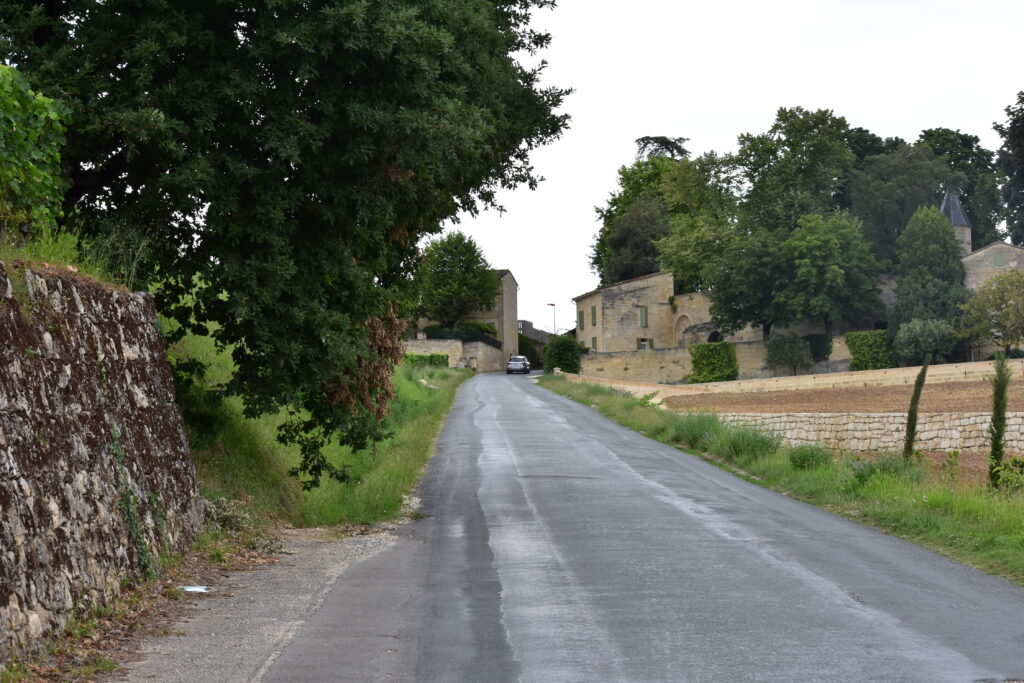
Please note that the race doesn’t pass through St. Émilion every year, as the Tour de France changes its route annually to feature different regions of France. Best to check as you are planning your visit to see any if the Tour de France will pass through when you are there. It will change how you get around to the different wineries, in much the same way that any large scale event with following international camera crews would.
Ready to find some wine? Here’s your comprehensive guide to experiencing the best of St. Émilion’s wine culture.
When to Visit
The ideal time to visit St. Émilion is late spring (May-June) or early fall (September-October), depending on the weather. These seasons are the times you’ll enjoy pleasant weather and witness either the vibrant green of new growth or the spectacular golden and red hues of harvest season. If you visit in August, it’s still beautiful and the wine is still good. The weather is just warm. September is harvest time, typically, so the wineries will have less grapes on the vine.
Getting There and Around
The most convenient options for reaching this wine paradise are the normal ones. Train, car, organised tour or by bike.
Once in St. Émilion, the village is cute and small and best explored on foot. There are many options to rent bikes, and I highly recommend that you get an electric bike. Don’t forget! St. Émilion is a hilltop village, which means biking up and down hills. You need to be in pretty good shape to make it up and down some of those hills on a regular, non-electric bike.

We rented a bike from Les Bicyclettes de Saint-Emilion. We foolishly turned down the lovely offer to pick us up at the train station. You’ll want the option, I promise you. We visited two wineries, had lunch in the village, visited the church and the caves and shopped a bit. More than enough for one day.
Must-Visit Wineries
As mentioned, we went to two wineries. The tours themselves vary, so be sure to reserve and plan accordingly. If the tour says it will take one hour, it will certainly take an hour. We also wanted to include a bio winery just to see what the differences are.
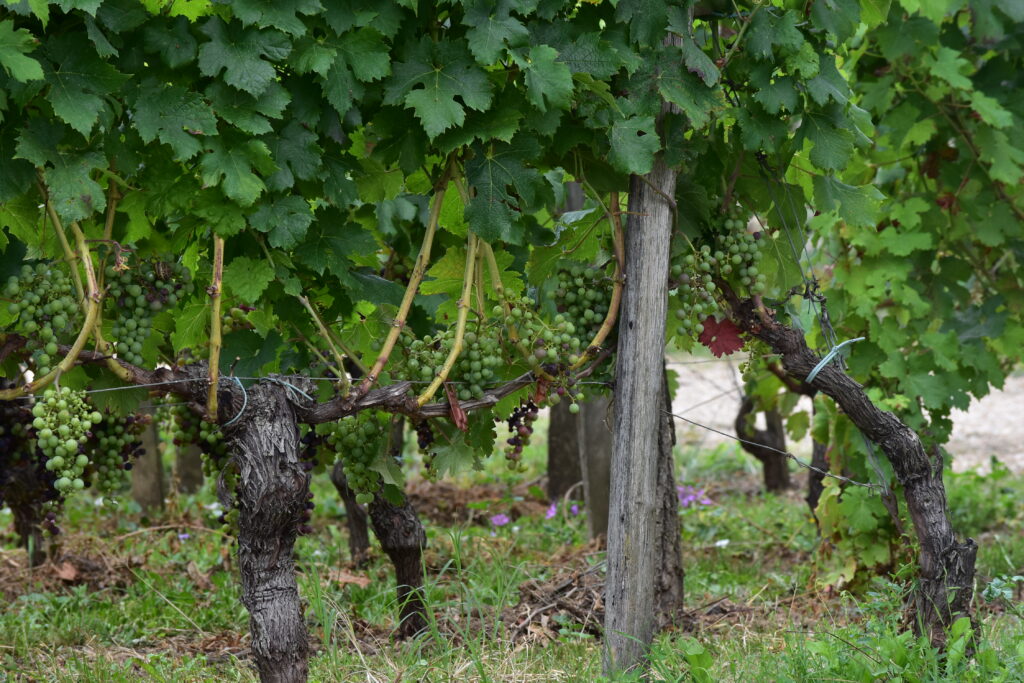
Chateau Mauvinon
I like wine, and it’s always nice to taste wines that are bio, if only just to see if I can tell the difference. Chateau Mauvinon is a lovely family-owned winery. It’s down in the valley (another reason to get an electric bike for that trip back up the hill to return it) and it has beautiful views. It’s also the winery that had the better tasting for me. They spent time explaining about the florals, the soils and blends possible with their grapes. Overall an A+ experience. And they ship!
Chateau Croizille
Chateau Croizille is a unique blend of old and new. There is an older section where they preserve the old methods of winemaking and storage. Then there’s the new section, very modern and architectural, with shiny new tanks and processes. The contrast between the two sections couldn’t be more stark. I’ll leave it to you to determine which wine you prefer, or if you just like both.
Other Wineries to Consider for Good Wine Tastings
We did a lot of research to find the wineries and make the reservations. Here are others we looked at, but didn’t book for one reason or another.
Château Ausone
One of St. Émilion’s premier grand cru classé “A” estates, Château Ausone produces some of the region’s most sought-after wines. Don’t know what a premier grand cru is? That’s a good reason to visit – we didn’t visit it, so I can’t tell you. I’m told that their limited production makes a visit exclusive and memorable. Exclusive and memorable frequently means that you will need to plan way in advance to get a reservation for the time you are there.
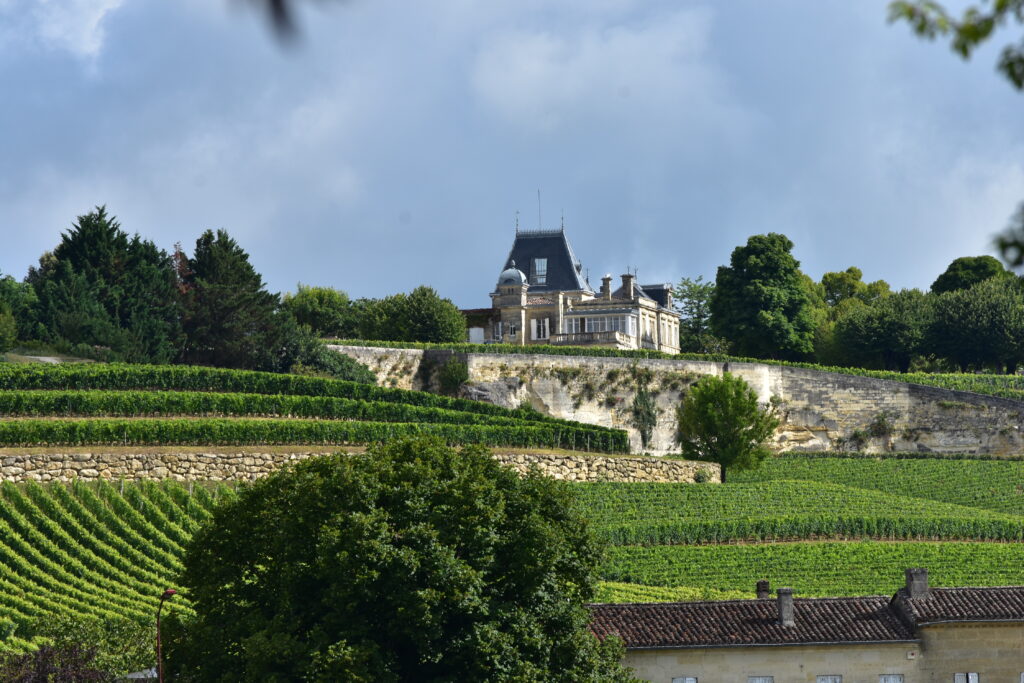
Château Cheval Blanc
Another prestigious first-growth estate, Cheval Blanc is known for its exceptional wines and striking modern architecture that harmoniously blends with traditional vineyard landscapes. It sounded a lot like Chateau Croizille, and I did notice while biking around that there were many chateaux that had a nice mix of old and new.
Château Pavie
Recently elevated to Premier Grand Cru Classé “A” status, Château Pavie offers tours of their state-of-the-art winemaking facilities and impressive terraced vineyards on the region’s limestone plateau. I don’t know how a vineyard is ‘elevated’ to a new Classe, or if a vineyard can also be dropped down a Classe. Worth a look and possibly a reservation?
Château Figeac
Known for its higher proportion of Cabernet Sauvignon, which is unusual for St. Émilion, Château Figeac is very accessible and we have been told that the tastings are amazing.

Planning Your Wine Tour Visits
A few important tips for planning your winery visits. This is pretty much true for all wineries in France, and often also restaurants.
- Make Reservations: Most wineries require advance bookings, with premier estates often needing reservations months ahead
- Pace Yourself: Limit your visits to 2-3 wineries per day to fully appreciate each experience, and this will also give you an opportunity to visit St. Émilion and do some local shopping and eating
- Consider a Guide: If you’re a wine aficianado and want to do more than visit a random winery chosen from a blog or the internet, a local wine guide can provide access to exclusive estates and enhance your understanding of the region. We didn’t use one, and were just exploring a variety of wineries, but maybe that can be a next time activity
- Shipping Options: Most of the wineries have shipping options, and I really recommend shipping unless you have the option to drive or take the train home. I once had to watch what I am sure was an amazing red wine be poured out into a trash can at airport check-in. My heart broke just a little bit.
- Tasting Etiquette: It’s acceptable to spit wine during tastings, especially if you’re driving or visiting multiple wineries and don’t want to drink too much and not appreciate the last tasting. Maybe best to do the spitting if you really are looking for and can taste the underlying notes.
Beyond Wine Tasting
You’ll have moments when you won’t be at a winery. I also encourage you to check out the village for lunch, a little shopping, a break from your bicyle … whatever you need. Here are three options, and all are good and interesting :
- Explore Underground St. Émilion: Take a guided tour of the monolithic church and extensive underground caves
- Macarons: Try the local almond macarons, a traditional specialty different from the Parisian variety. You’ll have to wander a bit to find the shops that sell them, but don’t worry – you won’t have to wander very far!
- Le Table 38: This was a great restaurant we found in the Michelin Guide. There are several restaurants that are assessed and make what I like to call the ‘it can happen one day list’. Nestled in the heart of town, this was a relaxing location to rest between wine tours and the food was excellent. Make a reservation.

Bonus Tips for Wine Lovers
- Wear comfortable shoes suitable for walking on cobblestone streets and through vineyards. Also note that walking in villages and touring churches are not activities that lend themselves to escalators or elevators. Plan accordingly.
- Bring layers as cellar temperatures remain cool year-round. The cellars are delightful in the summer, and you’ll want to wear something light and cool for walking outdoors.
- Consider visiting during weekdays when wineries and the village are less crowded – you’ll have more time to learn about the wines of the region by asking more questions.
- A few basic French wine terms can greatly enhance the visits. I recommend knowing how to say please and thank you at the very least.
- Don’t rush and try to see everything – St. Émilion rewards those who slow down and savor the experience.
There’s a reason why this isn’t a list of the 38 things you can do in one day in St. Émilion. A visit to St. Émilion offers more than just wine tasting; it’s an immersion into a centuries-old culture where wine is not merely a beverage but a way of life. From grand châteaux to humble family vineyards, each estate tells a unique story of tradition, terroir (the land), and timeless craftsmanship. Take your time, relax and enjoy hanging out with whomever you’re with. Pure bliss.