
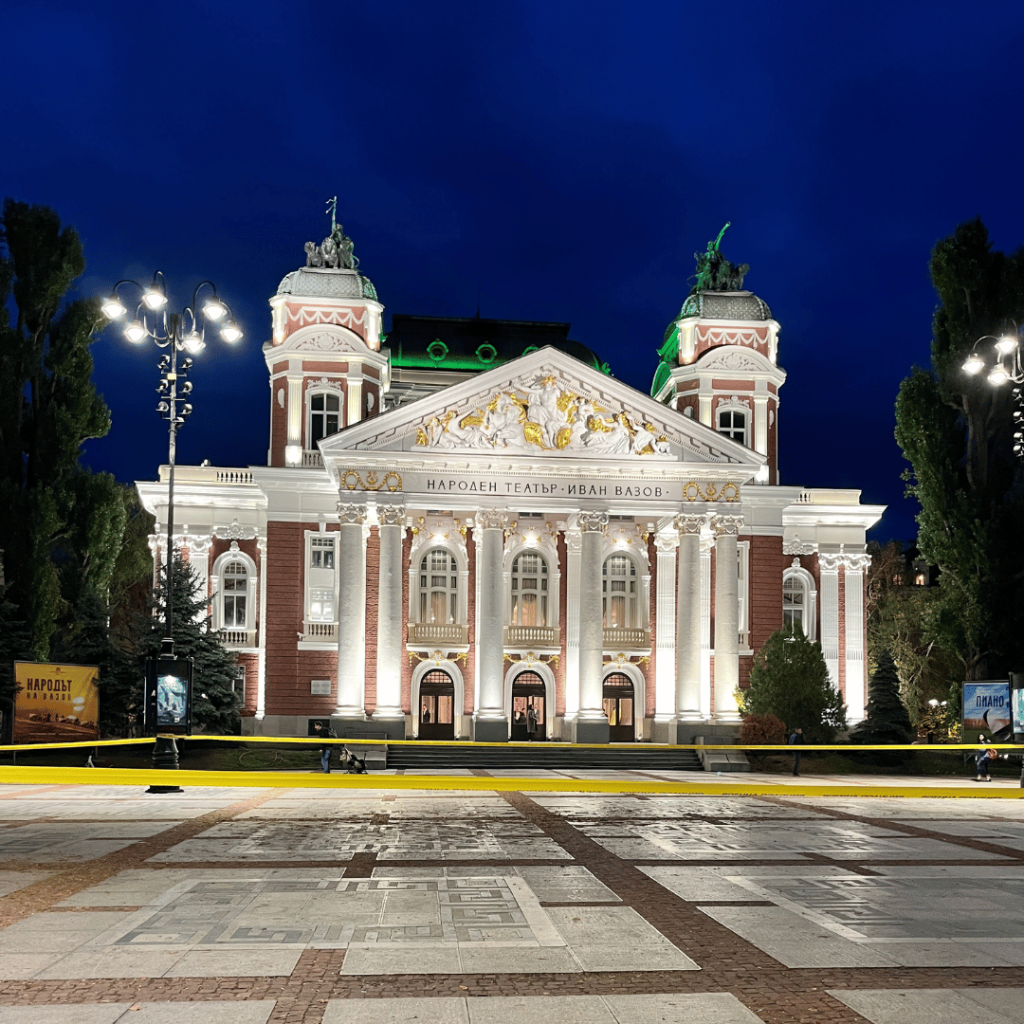
Sofia, the capital of Bulgaria, is one of Europe’s most underrated destinations. I am sure there are many underrated destinations, and I am trying to get to them all, I promise. In this case, I have a friend who is from Sofia, and she was visiting her parents. We agree to meet in cities in Europe every year to catch up and spend time together, and this seemed like the perfect time and location to meet. And I got a personal tour guide!
Sofia is nestled at the foot of Mount Vitosha, and you can see it while you are at the airport. Actually, you can see it from pretty much anywhere in the city. Sofia is an ancient city that seamlessly blends Roman ruins, Ottoman mosques, Soviet architecture and modern cafés into a fascinating urban tapestry. Whether you’re a history buff, a foodie or simply an adventurous traveler, Sofia amazes. Sofia offers an authentic Eastern European experience without the crowds or hefty price tags of more popular destinations.
Sofia is at a unique crossroads. They joined the EU money system in 2026. You will see prices in both the local currency (lev or leva) and euros. I love to shop, and was a bit worried on the first day when I was confronted with Bulgarian. There is absolutely no resemblance to a Romance language, I can assure you. Many of the younger generation are learning English in school, so between their knowledge and Google Translate, you’ll be fine.
Now that the basics are out of the way, here are five essential tips to make the most of your visit.
Master Public Transportation for Moving Around the City
Sofia’s public transportation system is remarkably efficient and incredibly affordable. The metro is your best friend for getting around the city. The metro consists of three lines that connect most everything. A single ride costs just 1.60 leva (less than one euro). You can purchase tickets from machines at stations or small kiosks nearby. It’s a completely modern public system and you can also tap your phone or credit card if you’re in a hurry or just for ease of use. No sense in trying to puzzle out the machines and what they are asking you to do.
For visitors planning multiple trips, consider buying a day pass or a rechargeable Sofia Urban Mobility card, which works everywhere. The metro runs from approximately 5:30 AM to midnight, with trains arriving every few minutes during peak hours. The stations are clean, modern, and feature signage in both Cyrillic and Latin script, making navigation straightforward even for first-time visitors.
If you prefer staying above ground, trams and buses cover extensive routes throughout the city. The buses, trams and trolleybuses are just as easy to find and every station seemed to have a map. You also have your phone, presumably. Download the Sofia Transport app to check real-time schedules and plan your routes.
Dedicate Half a Day to the National History Museum
Located in the former communist-era residence of Bulgaria’s leaders, the National History Museum is an absolute must-visit. Plan to spend at least three to four hours of your time. Situated in the Boyana district at the foot of Vitosha Mountain, the museum houses over 650,000 artifacts spanning Bulgaria’s rich history from prehistoric times to the present day.
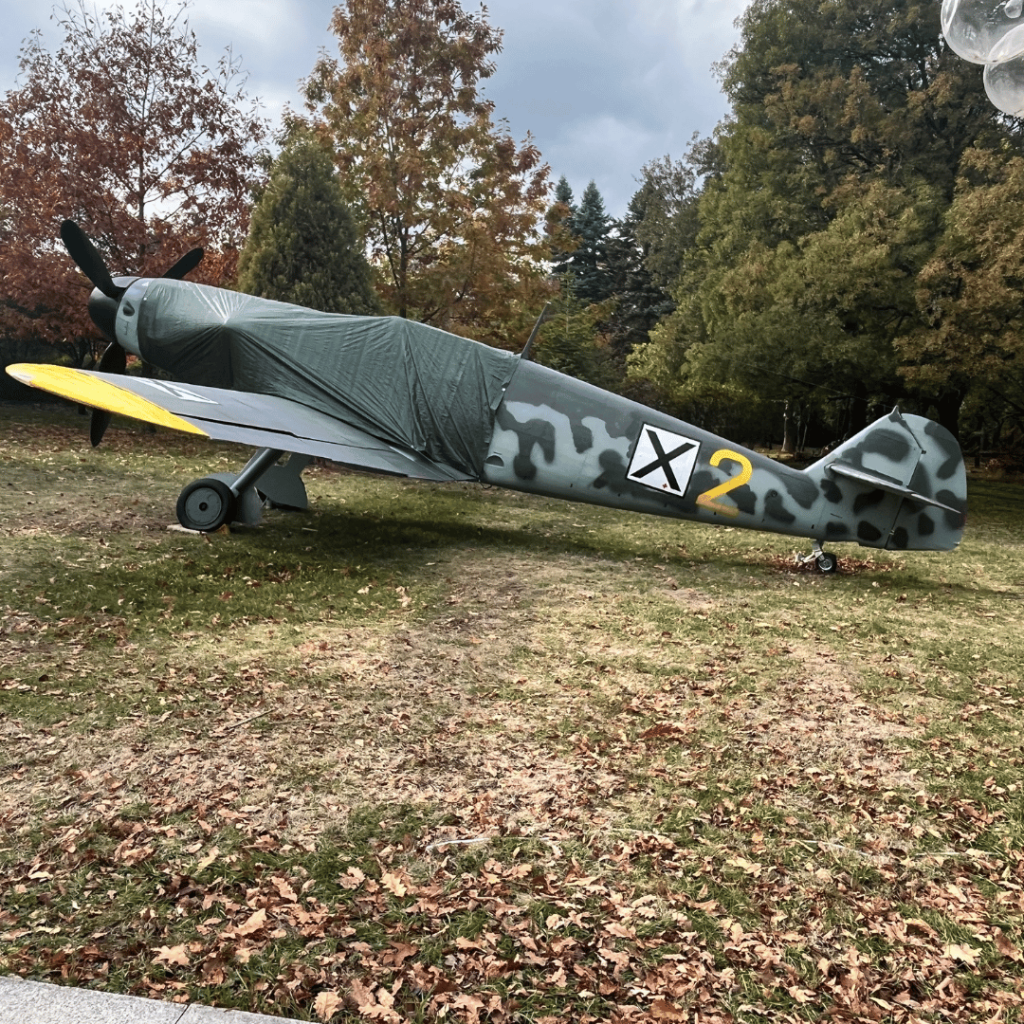
It looks imposing on top of the hill, and there are some stone artifacts along the way to the entrance. I was thrilled and delighted to find a replica ME109 on the way up the hill. It was partially under a tarp due to maintenance, and it looked smaller than what I thought a real one would. It was nice to find a random piece of WWII history in the midst of all the Roman and Ottoman stone relics.
Once inside, the history goes way back. All the way back to the times when people worshipped on grassy mounds. Included are medieval religious art, Ottoman-era exhibits and fascinating displays about Bulgaria’s role in both World Wars.
To reach the museum, take bus 63 or 111 from the city center or consider taking a taxi or Bolt as it’s about 8 kilometers from downtown Sofia. The journey itself is worthwhile, as you’ll pass through residential neighborhoods that offer glimpses of everyday Bulgarian life. Entry fees are modest, typically around 10-12 leva for adults, and the museum offers excellent English-language information throughout.
Embrace the Bulgarian Food Scene
Bulgarian cuisine is a delightful revelation that often surprises visitors with its diversity and flavor. If you are an adventurous eater, then this is definitely the place to be. Sheep, lamb, goat, elk, rabbit, deer are all on the menu, plus some other foods I couldn’t quite get an accurate translation for.
Start your culinary journey with shopska salad, a refreshing mix of tomatoes, cucumbers, peppers, onions and generous amounts of sirene (a white brine cheese similar to feta). For main courses, don’t miss kavarma, a slow-cooked meat and vegetable stew. Banitsa, a flaky pastry filled with cheese, is perfect for breakfast. You will see banitsa in the local shops with meats, cheeses and fruit fillings.
3 Places You Should Try
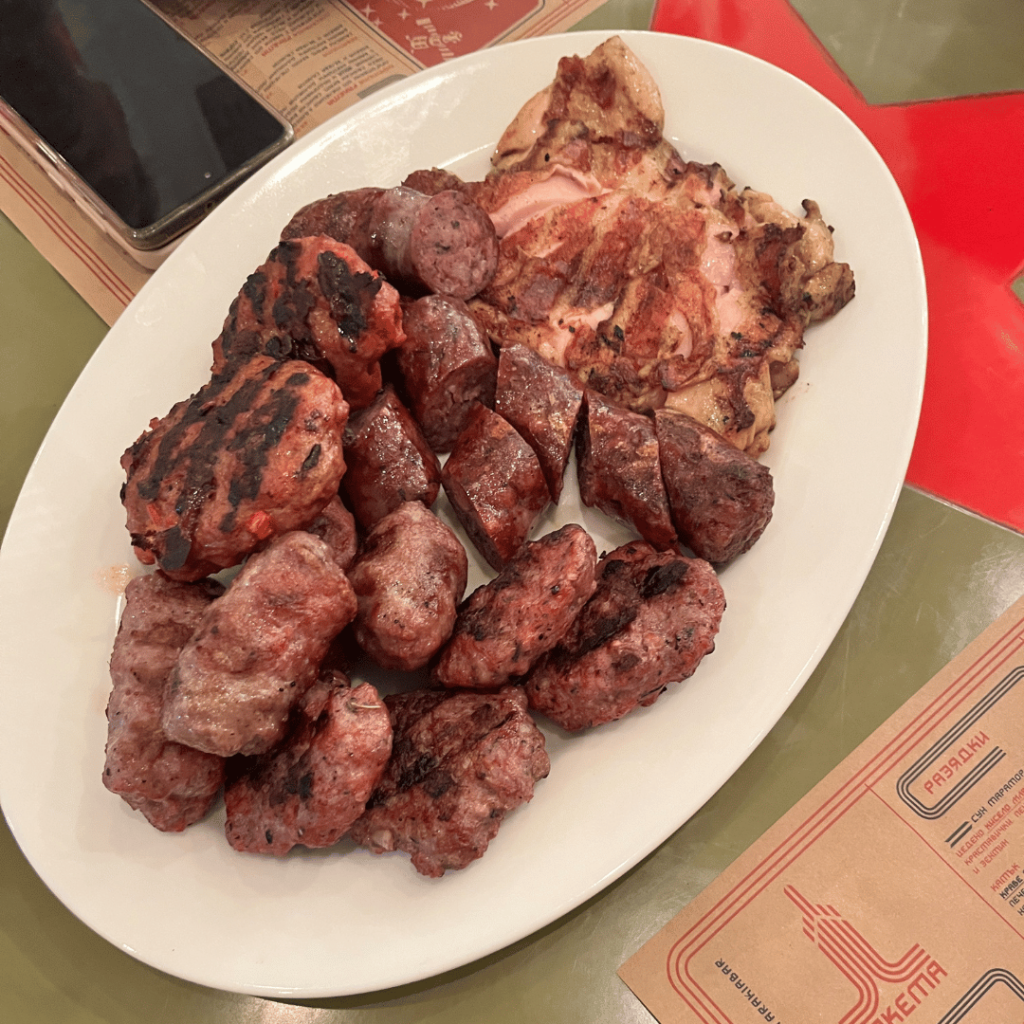
Head to a traditional restaurant like Manastirska Magernitsa or taverns like Pod Lipite or Made in Home for authentic Bulgarian dining experiences with live folk music. These establishments serve hearty portions at reasonable prices, allowing you to sample multiple dishes without breaking the bank. The grilled meats, particularly kebapcheta (small grilled sausages) and kyufte (seasoned meatballs), are truly exceptional.
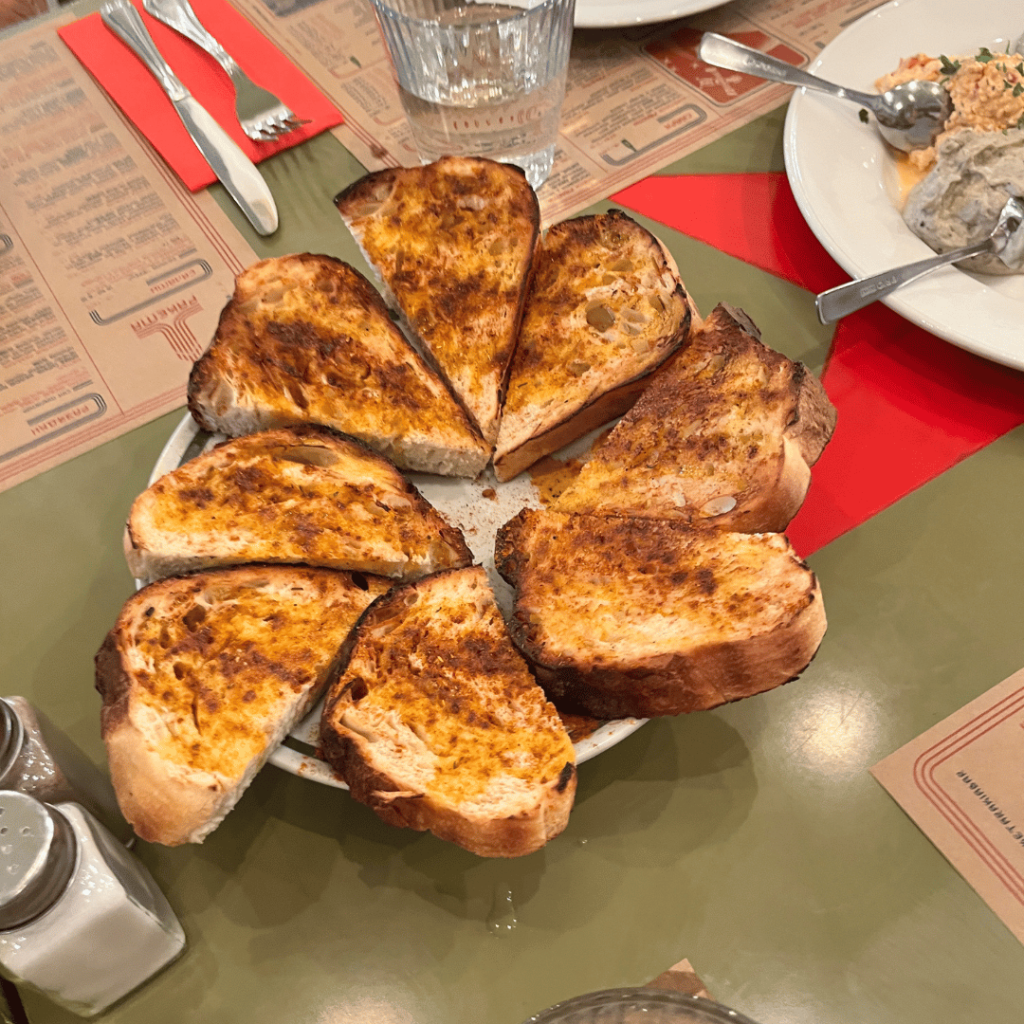
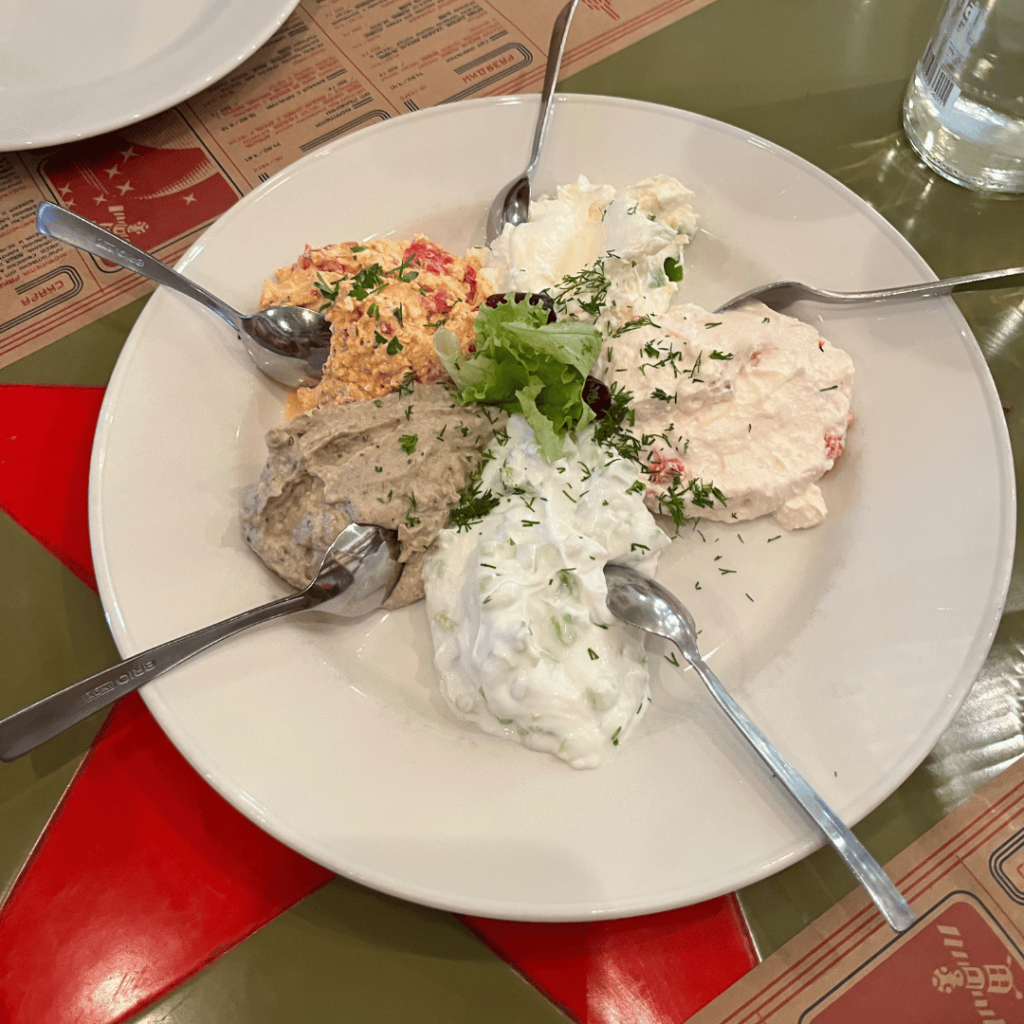
Another restaurant to try is Raketa Rakia Bar. Filled with relics, including early computers, recording devices and other fun memorabilia, the food is amazing. Our experience was pre-planned, so the menu was set. There are many good options to choose from, and I really recommend trying the sausage.
For a more local experience, visit the Central Market Hall (Tsentralni Hali) where vendors sell fresh produce, cured meats, local cheeses and traditional sweets. Don’t leave Sofia without trying yogurt-based drinks like ayran or boza, a fermented grain beverage that’s an acquired taste. Bulgarian wines, particularly those from the Thracian Valley, are surprisingly excellent and affordable.
We didn’t have the opportunity to take advantage of a wine tasting. We will for sure schedule one the next time we visit. I’m told the wines are amazing. Aren’t they all?
Explore Beyond the City Center
While Sofia’s attractions like Alexander Nevsky Cathedral and the Church of St. George are impressive, venturing into neighborhoods reveals the city’s authentic character. If you’re looking for information specifically about the sacred sites in Sofia, you can find my tips here. The Lozenets district offers trendy cafés and street art, while the Doctors’ Garden provides a peaceful escape with beautiful landscaping and outdoor chess tables where locals gather.
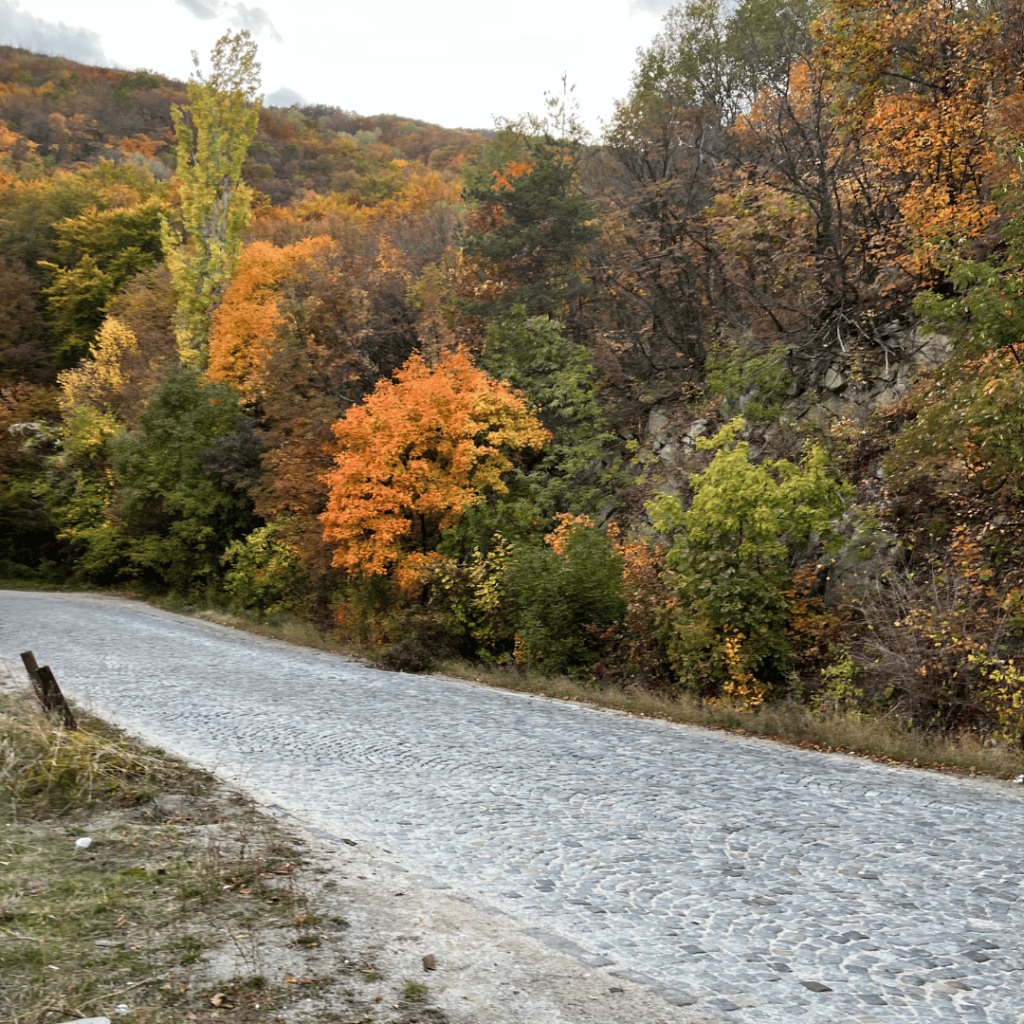
Take the gondola lift up Mount Vitosha for stunning panoramic views of Sofia and excellent hiking trails during warmer months. It’s a 30-45 minute walk to the hiking trails. As always, follow good hiking rules and tell someone where you are going. In winter, Vitosha transforms into a ski resort just 30 minutes from the city center, making Sofia one of the few European capitals where you can ski and explore urban sights on the same day. Pure bliss!
Take Time to Wander
Sofia rewards curious travelers who take time to look beyond the surface, offering genuine hospitality, rich history and incredible value that make it one of Europe’s most rewarding destinations. Sofia offers many parks, cafes and shopping opportunities. Make sure you visit at least one spice or wine shop for a unique taste experience. We brought some spice packets home with us and have zero regrets.